
Ledger Hardware Wallets: A Practical Guide to Protecting Digital Assets
- rlsfinestquantumsystems

- Dec 12, 2025
- 3 min read
Introduction
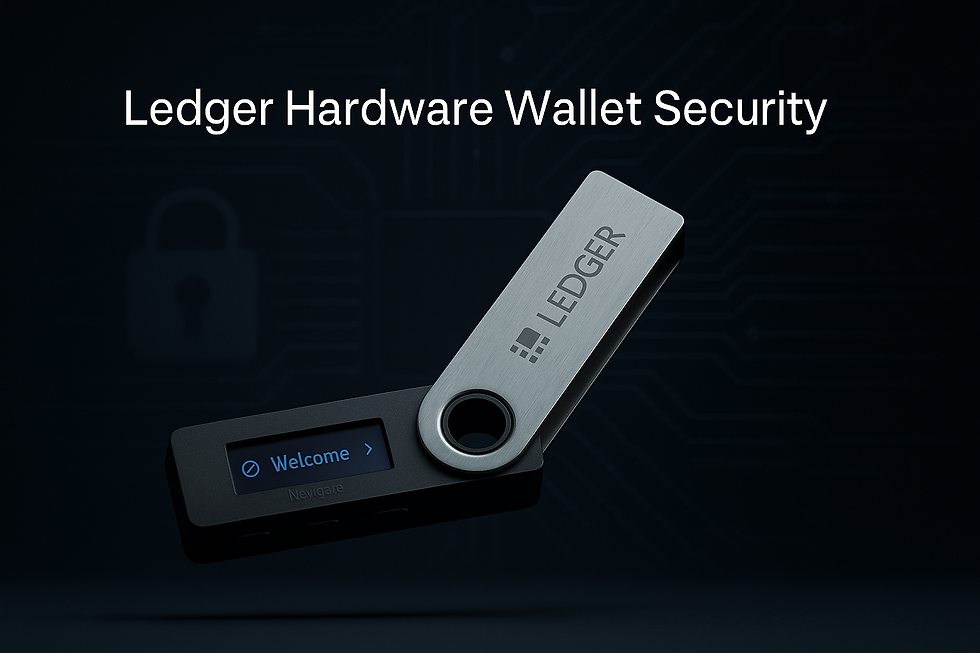
Illustrative image used for educational purposes.
As digital assets continue to grow in value and adoption, security becomes one of the most important responsibilities for any crypto holder. One of the most common mistakes people make is leaving funds on exchanges or using unsecured software wallets. Hardware wallets are widely considered one of the safest ways to store private keys offline.
This guide explains what Ledger hardware wallets are, how they work, who they are best for, and important security considerations so you can make an informed decision.
What Is a Hardware Wallet?
A hardware wallet is a physical device designed to store your private keys offline. Unlike software wallets or exchanges, a hardware wallet keeps sensitive cryptographic material isolated from internet-connected devices.
This significantly reduces exposure to:
Malware
Phishing attacks
Exchange failures
Remote hacking attempts
Hardware wallets are not “magic” devices — they are tools that work best when combined with good security practices.
Overview of Ledger Hardware Wallets
Ledger is one of the most established hardware wallet providers in the crypto ecosystem. Ledger devices are designed to securely store private keys and allow users to approve transactions directly on the device itself.
Ledger wallets are commonly used by:
Long-term crypto holders
Users managing multiple assets
Individuals who want mobile and desktop flexibility
People transitioning away from centralized exchanges
Key Security Features of Ledger Wallets
1. Secure Element Chip
Ledger devices use a Secure Element chip designed to protect private keys from physical and software-based attacks. This chip isolates sensitive data from the rest of the system.
2. Offline Key Storage
Private keys never leave the device. Transactions must be physically approved on the wallet, reducing the risk of remote compromise.
3. On-Device Transaction Verification
Users verify transaction details directly on the device screen before approving, helping prevent address manipulation or malware-based attacks.
4. Ledger Live Software
Ledger Live is Ledger’s companion application used to manage assets, install apps, and monitor balances. It provides a user-friendly interface for beginners while supporting advanced users.
Strengths of Ledger Wallets
Ledger wallets are often chosen because they:
Support a wide range of cryptocurrencies
Work on both desktop and mobile
Offer a polished user experience
Are compact and portable
Integrate with many third-party wallets
These features make Ledger a practical option for users who want flexibility and broad asset support.
Important Security Considerations
No hardware wallet is completely risk-free. Security depends on how the device is used.
When using a Ledger wallet:
Never share your recovery phrase
Store your recovery phrase offline
Never enter your recovery phrase on websites or apps
Be cautious of phishing emails and fake Ledger support messages
Verify addresses on the device screen before approving transactions
Hardware wallets reduce risk — they do not eliminate it entirely.
Who Should Consider a Ledger Wallet?
Ledger may be a good fit if you:
Hold multiple cryptocurrencies
Want strong mobile support
Prefer a polished software experience
Need a portable hardware wallet
Are moving assets off exchanges
For many users, Ledger provides a solid balance between usability and security.
Ledger vs Leaving Funds on Exchanges
Leaving assets on exchanges exposes users to:
Exchange hacks
Account freezes
Withdrawal restrictions
Custodial risk
A hardware wallet gives you direct control over your private keys, which is a foundational principle of self-custody.
Final Thoughts
Ledger hardware wallets are widely used tools for improving digital asset security. When used correctly, they offer meaningful protection against many common threats in the crypto space.
The best security setup combines:
A hardware wallet
Safe recovery phrase storage
Ongoing education
Caution against phishing and scams
If you are serious about long-term digital asset protection, a hardware wallet is worth considering.
Where to Learn More
Disclosure: This page contains affiliate links. I may earn a commission at no extra cost to you. Recommendations are based on independent research and security principles.
You can explore Ledger hardware wallets and learn more about their features here:


Comments