
Maximize Crypto Safety with Cold Storage Tips
- rlsfinestquantumsystems

- Dec 3, 2025
- 3 min read
Updated: Dec 9, 2025
In the world of cryptocurrency, security is paramount. With the rise of digital currencies, the risk of theft and hacking has also increased. Many investors are turning to cold storage solutions to protect their assets. Cold storage refers to keeping your cryptocurrency offline, away from the reach of hackers. In this post, we will explore effective cold storage tips to help you maximize the safety of your crypto investments.

Understanding Cold Storage
Cold storage is a method of storing cryptocurrencies that keeps them offline. This is in contrast to hot wallets, which are connected to the internet and are more vulnerable to attacks. Cold storage options include hardware wallets, paper wallets, and even physical devices like USB drives.
Why Use Cold Storage?
Enhanced Security: By keeping your assets offline, you significantly reduce the risk of hacking.
Control Over Assets: You maintain full control over your private keys, which are essential for accessing your cryptocurrencies.
Protection Against Malware: Cold storage is immune to malware that targets online wallets.
Types of Cold Storage Solutions
Hardware Wallets
Hardware wallets are physical devices designed specifically for storing cryptocurrencies. They offer a high level of security and are user-friendly. Popular options include:
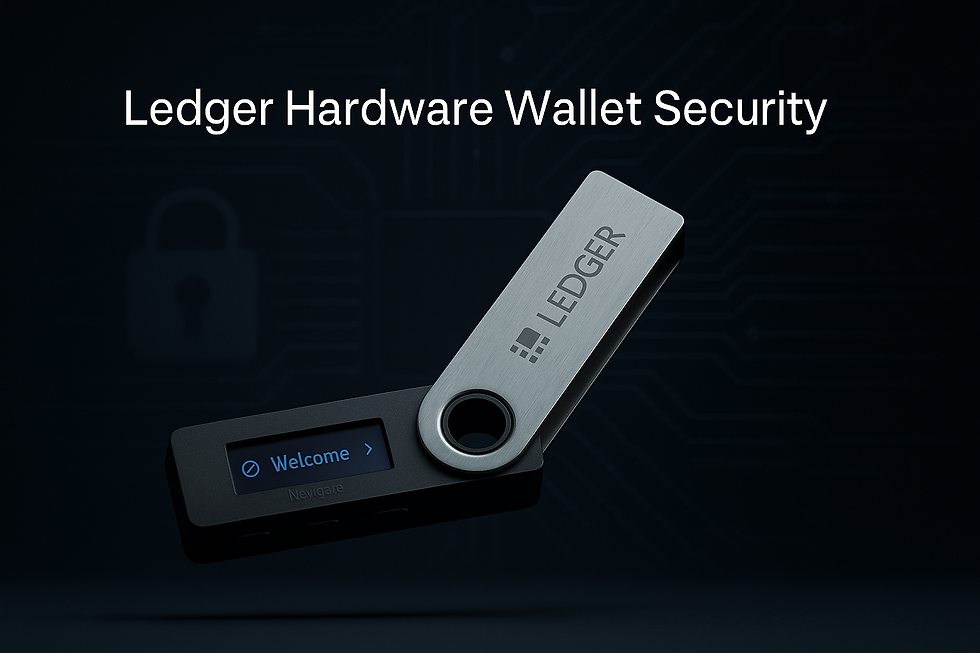
Ledger Nano S: A compact device that supports multiple cryptocurrencies.
Trezor Model T: Features a touchscreen for easy navigation and supports a wide range of coins.
Paper Wallets
A paper wallet is a physical printout of your public and private keys. It is one of the most secure methods of cold storage, as it is entirely offline. However, it requires careful handling to avoid damage or loss.
USB Drives
Using a USB drive to store your cryptocurrency wallet files is another effective cold storage method. Ensure that the USB drive is encrypted and not connected to the internet when not in use.
Best Practices for Cold Storage
1. Choose the Right Storage Method
Select a cold storage method that suits your needs. If you frequently trade, a hardware wallet may be more convenient. For long-term holding, a paper wallet or USB drive might be ideal.
2. Keep Backups
Always create backups of your wallet. For hardware wallets, this usually involves writing down a recovery seed phrase. For paper wallets, store multiple copies in secure locations.
3. Use Strong Passwords
If your cold storage method allows for password protection, use a strong, unique password. Avoid using easily guessable information like birthdays or common words.
4. Secure Your Recovery Phrase
Your recovery phrase is crucial for accessing your funds. Store it in a safe place, such as a safe deposit box, and never share it with anyone.
5. Regularly Update Your Security
Stay informed about the latest security practices and updates for your cold storage method. Regularly check for firmware updates for hardware wallets.
Common Mistakes to Avoid
1. Ignoring Security Protocols
Many users neglect to follow security protocols, such as enabling two-factor authentication (2FA) on their accounts. Always enable 2FA where possible.
2. Storing Everything in One Place
Diversifying your storage methods can enhance security. Avoid putting all your assets in one wallet or storage solution.
3. Failing to Test Your Backup
Before relying on your backup, test it to ensure it works. This can save you from potential loss in case of an emergency.
Conclusion
Cold storage is an essential strategy for anyone serious about protecting their cryptocurrency investments. By understanding the different types of cold storage solutions and following best practices, you can significantly enhance the safety of your assets. Remember to stay informed and regularly update your security measures. Protecting your cryptocurrency is not just about technology; it’s about being proactive and informed. Start implementing these cold storage tips today to secure your digital wealth for the future.


Comments